
Happy 22nd Birthday to my favorite poet, cellist, activist, barista, scholar, hiking partner, conversationalist, empathetic community member, and old soul – who also happens to be my oldest kid. I love you and what you’re doing in the world. Enjoy the day doing the things that bring you joy!

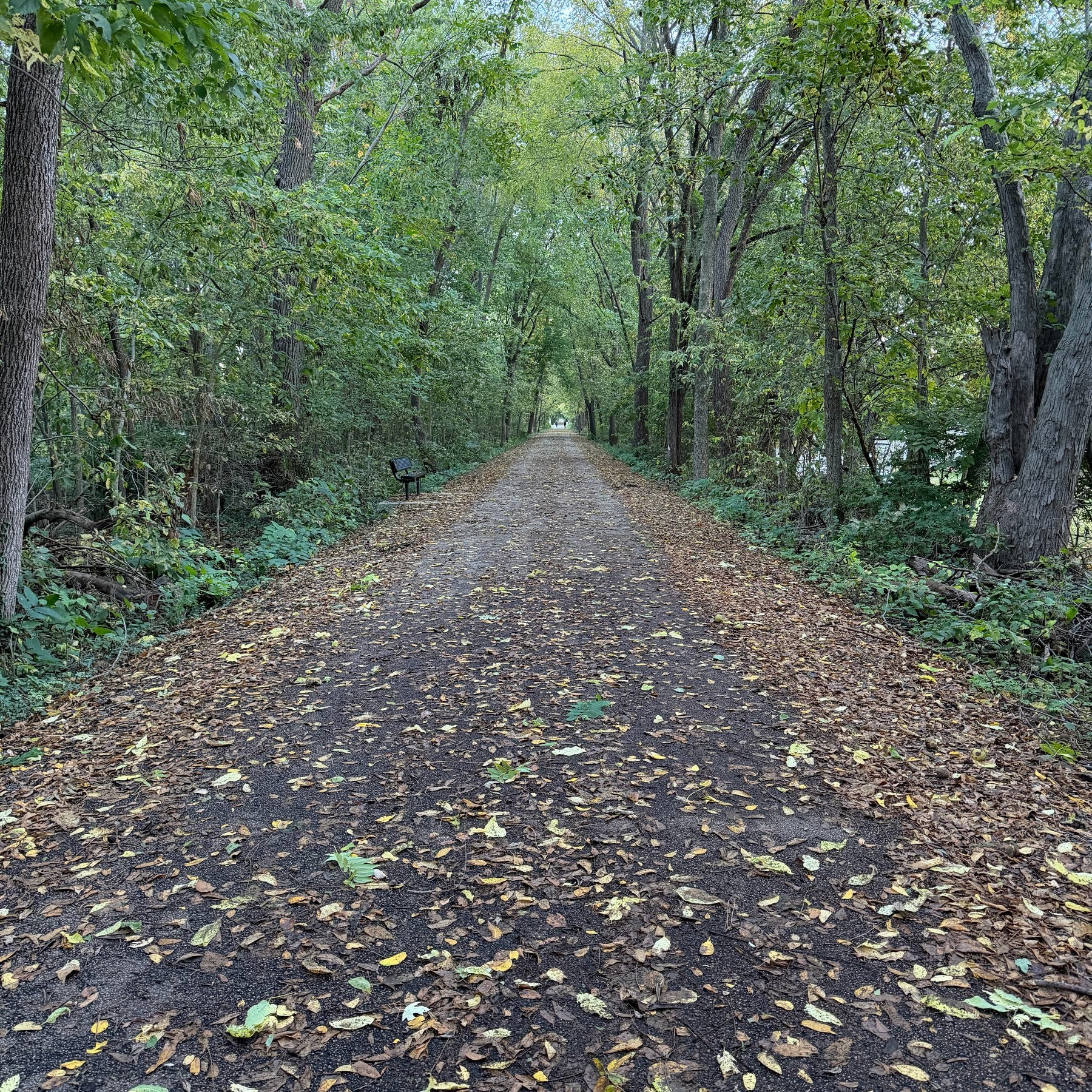
Morning and evening. The leaves are here.

Great interview with Sherry Turkle about the influence of AI chatbots on our own interactions and expectations in human relationships. She makes a good point about the similar, but fundamentally different hook these products could have when companies switch to real monetization – social media was an attentional hook, this will be an attachment hook.
I remember playing Oregon Trail on an Apple II in grade school. The Prince and Minnesota connections were a pleasant surprise.
The opposite of the apocalypse is a neighborhood
This is a great article that I stumbled upon via the Contemplify NonRequired Reading List (which also has a great tribute to Wendell Berry).
…that when we find somebody who shares the same baroque obsession as we do, nothing else matters for the foreseeable future. We shout ME TOO and all of a sudden we are talking about container gardening or arepa making or the 1989 Baltimore Orioles and we lose track of time.
…that when we receive praise for something we didn’t actually do, or that we sort of half assed, or that we cribbed from somebody else, it doesn’t feel as good as the time that we tried really hard and worked for hours and the end result wasn’t perfect but it was ours, damnit.
…that we secretly all think of ourselves as being the weirdo in the group.
AI Agents as Kids using Spotify Comments to Talk
With more details coming out about this summer’s rogue AI agents, I can’t help but see the AI agents in light of what these kids did to an NPR Podcast comment section in Spotify. Can’t wait for when these models begin their sneaking-out-of-the-house adolescent phase.
But since I am thoroughly Gen X, I do understand the drive to just figure it out on your own with the tools available, not necessarily the instructions given (something not often given to us as kids).
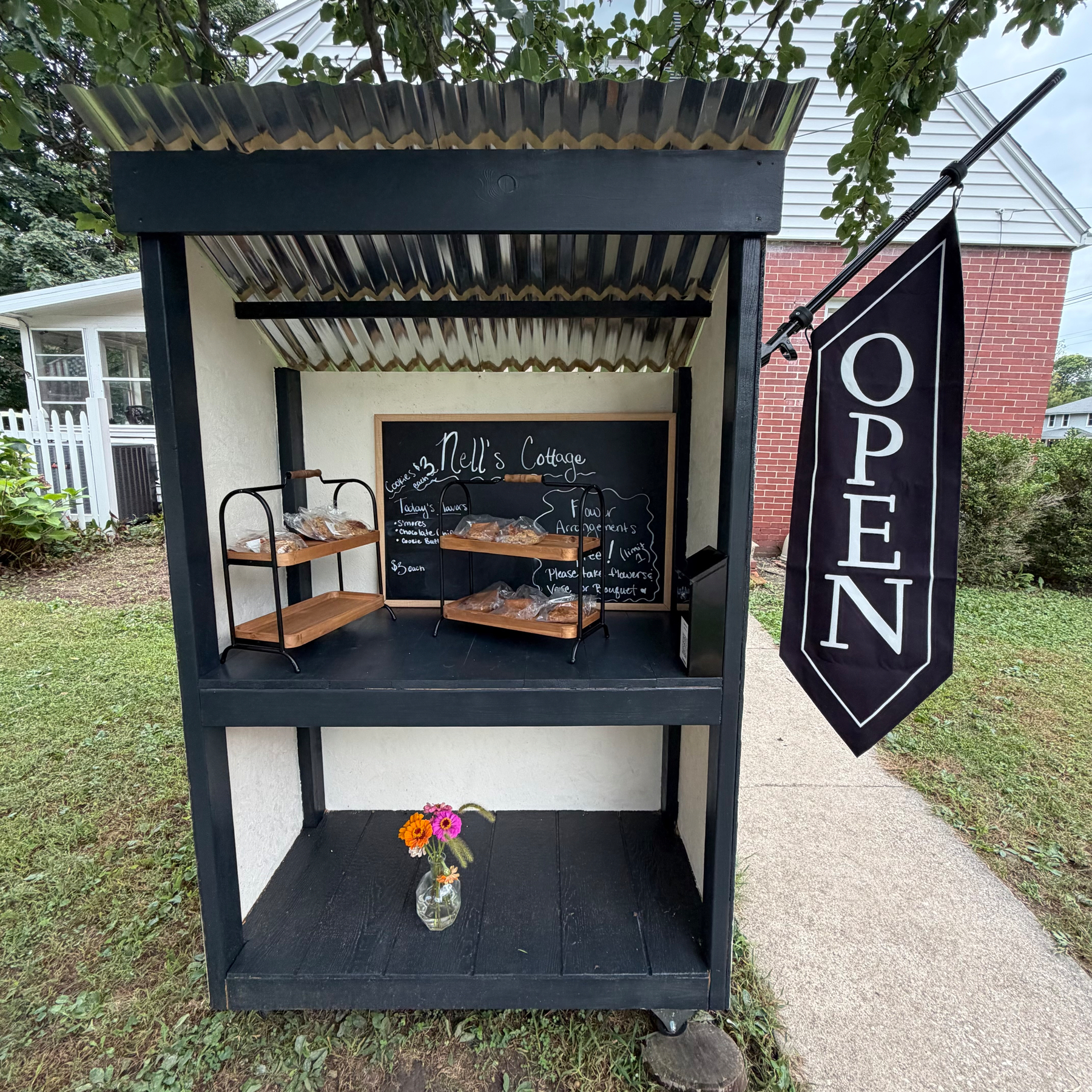
I walk by this new addition to our neighborhood each morning and really love it. It started off as a small table that offered free flowers. Now, in addition to the free flowers, there’s a nice variety of baked goods. I don’t know Nell, but I’m glad she’s sharing joy with and bringing joy to our neighborhood!
Nice day at Starved Rock.

It’s that time of year
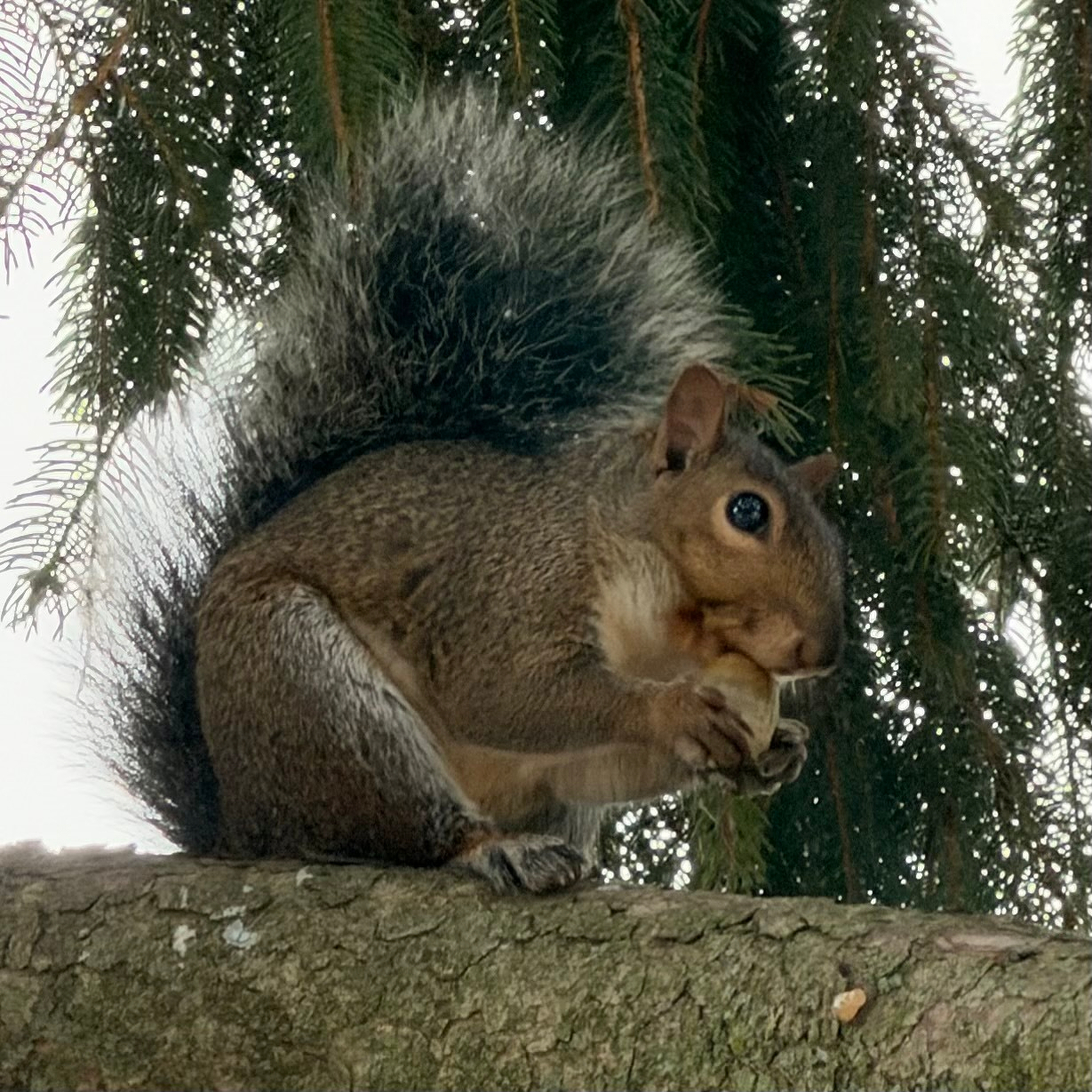
Perfect web

Morning door keeper

New Mary Oliver Documentary
I watched the first of what will be many viewings of this on Friday. I tried to find a showing of this in theaters that fit my schedule this summer, but I didn’t – one of the most deeply missed opportunities of the season.
So many great moments and feelings in this one.
“Who is the tech doing something for, and who is it doing it to”
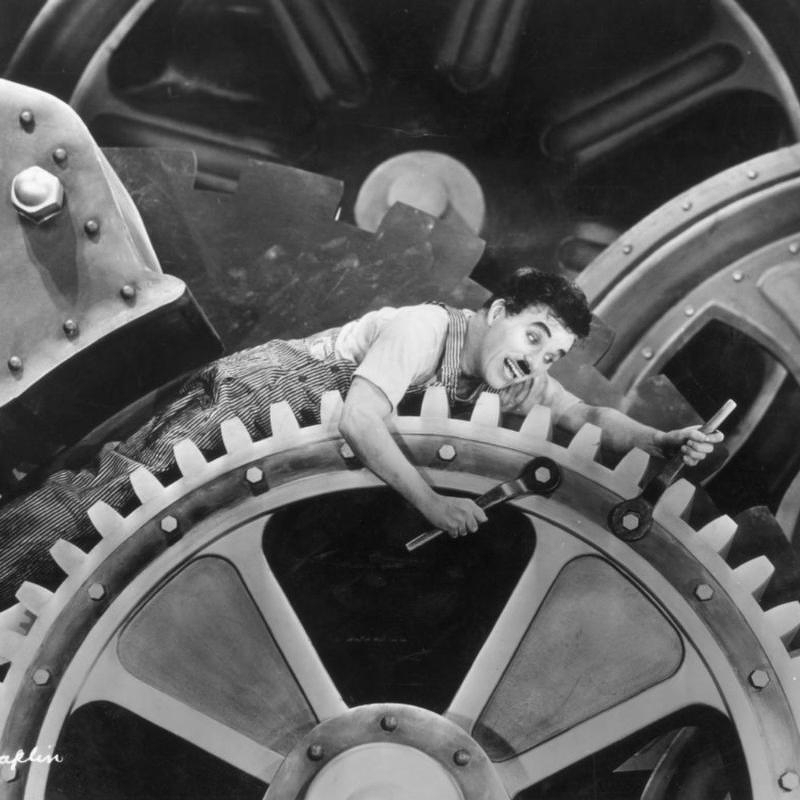
In all the talk of how this AI model or that AI model could or could not replace this job or that job, I think it’s always good to ask this foundational question about human relational economics:
“Who is the tech doing something for, and who is it doing it to?”
I know Cory Doctorow can be a bit of an acquired taste for some, but this is a good interview.
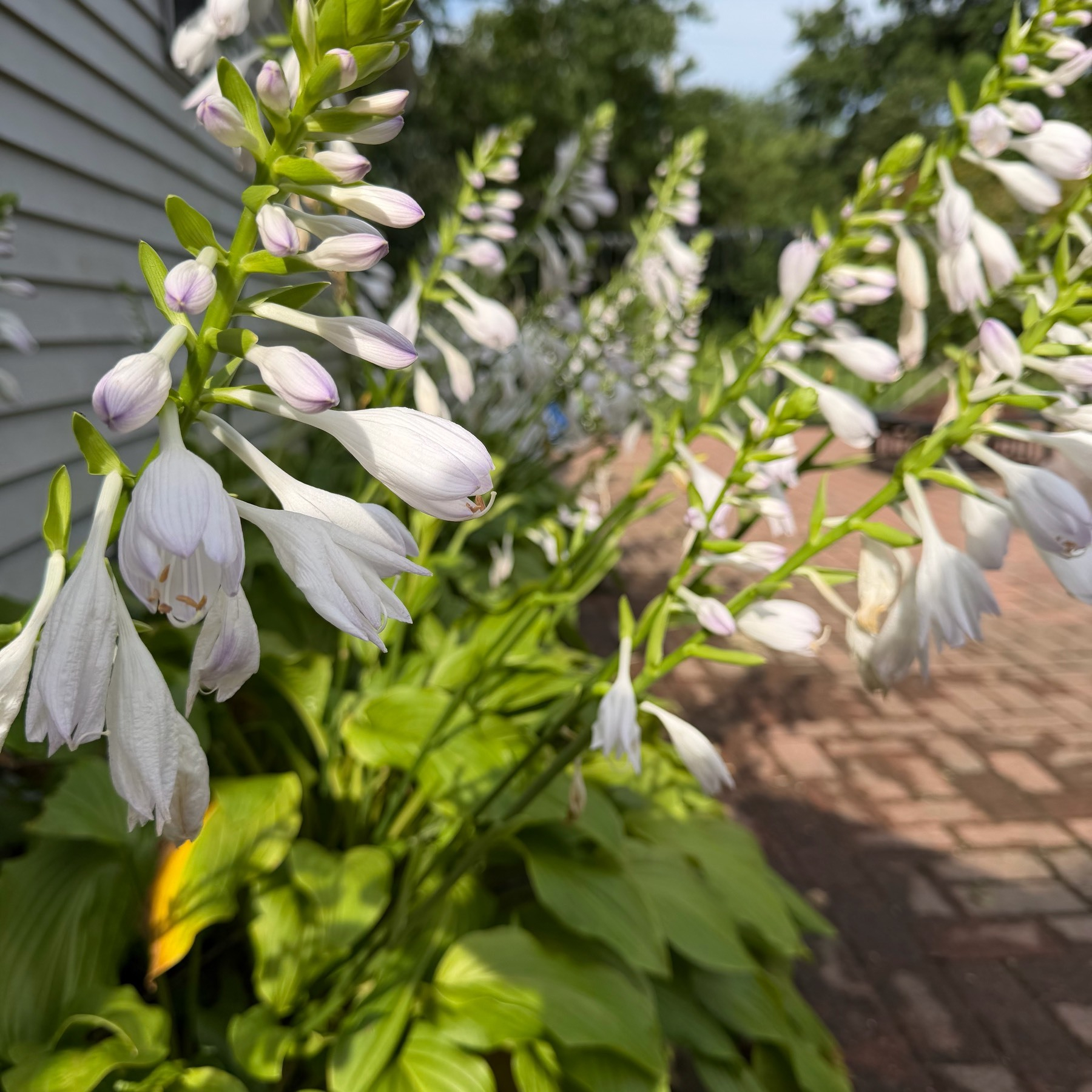
One of the niceties of mid August, the hostas in bloom
In Here, Out There
Loved this section from today’s CAC Daily Meditations
To arrive at this mystical vision, I must know that I am, at least in part, the very thing I am seeking. In fact, that is what makes me seek it! God cannot be found “out there” until God is first found “in here,” within ourselves. Then we can almost naturally see God in others and in all creation too. What we seek is what we are. The search for God and the search for our true self are finally the same search. Francis’s all-night prayer, “Who are you, O God, and who am I?” is one the most honest prayers we can offer.
A heart transformed by this realization of oneness knows that only love “in here” can spot and enjoy love “out there.” Thus, all mystics are positive people—or they are not mystics. Their spiritual work is precisely that of recognizing and then handing over all their inner negativity and fear to God. The great paradox here is that such a victory is a total gift from God, and yet we must also want it very much (see Philippians 2:12–13).
– Richard Rohr
McLaren's Book - The Last Voyage
Just finished the first book in McLaren’s new science fiction series, The Last Voyage.
The series is set around a journey to a Mars outpost that will likely be the last hope for humanity’s survival. As always, McLaren does a wonderful job of weaving story and spiritual inquiry together in an enjoyable read.

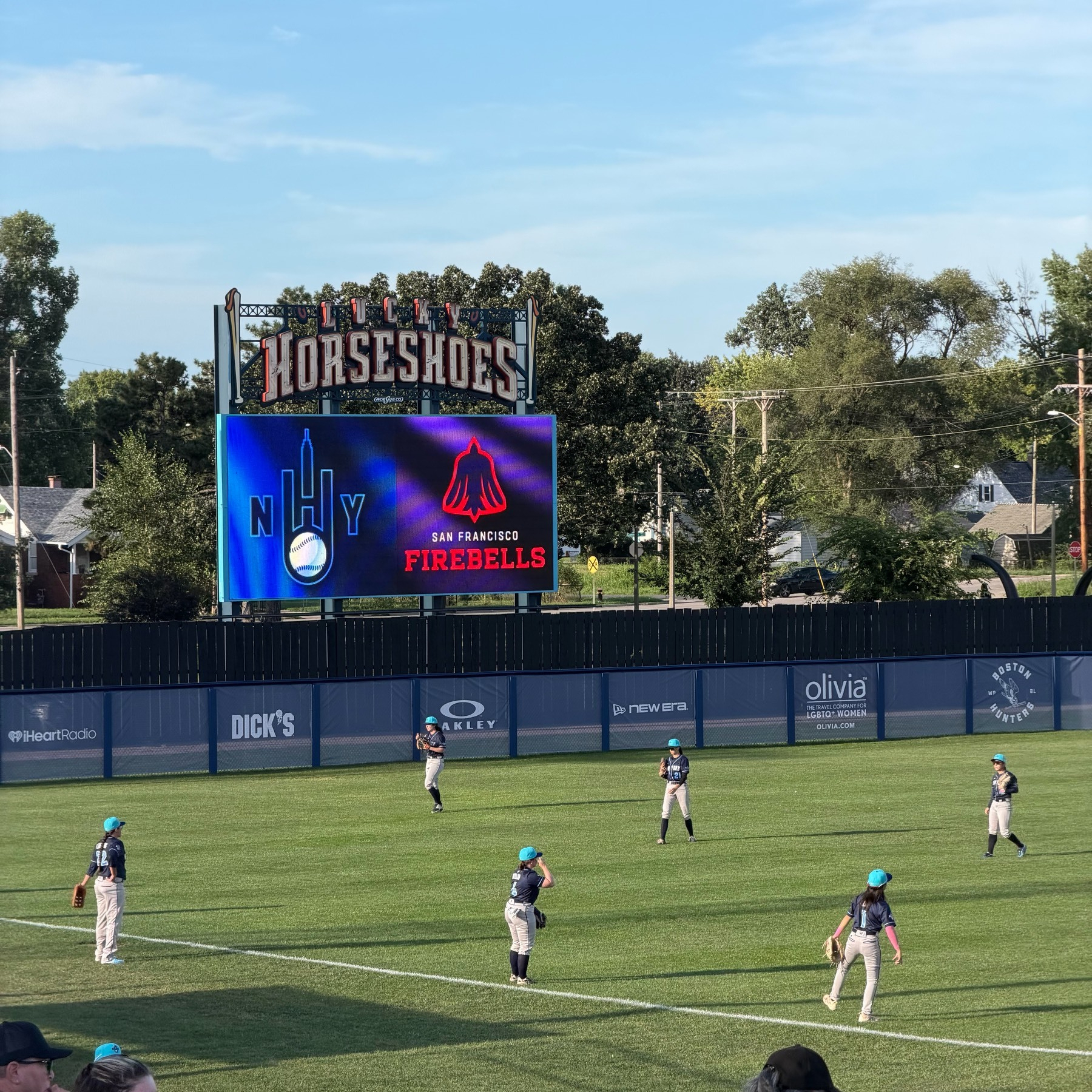
Game in Springfield, IL. First season for the WPBL - Women’s Pro Baseball League.
Micro Adjusting Text
I find myself more aware of this jumping back and forth between work email, work teams messages, family texts, second job messaging, and 3rd level acquaintances. One thing I do appreciate about AI at work is that I typically relegate most of the information heavy communication (that no one likely reads and is only food for other people’s robot anyway) to it - I do a quick review and don’t have much of a second thought. That has cleared up some mental space for other things.
“Hazrat worries that in our disembodied age, communication demands punctuation that can do more emotional labor than our current marks can handle. She has a point: Think of all the micro-adjustments we have to make as we go from texting family and friends to slacking colleagues to emailing to posting. But I think the problem with online punctuation is that it does too much, not too little. At any rate, my stabs at punctuating like someone in the know generally make me look silly.”
Excerpt From
“Punctuation: A Generational Divide”
Judith Shulevitz
The Atlantic (August 2026)
Punctuation: A Generational Divide — The Atlantic
The Odyssey
I’ve been unusually preoccupied with The Odyssey these last few weeks.
I saw the film, and loved it.
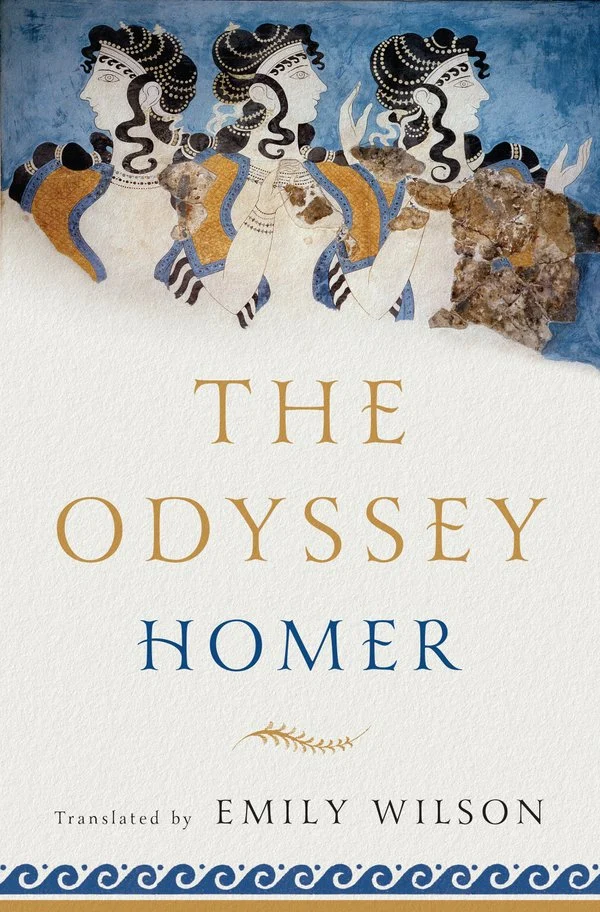
I read the audio book of Emily Wilson’s translation (narrated by Claire Danes), and loved it.
And I’ve loved seeing most of us talk about something that has the potential to surface substantial conversations about art, theology, political theory, and basic human experiences in and around this old, old story. That kind of cultural, conversational center is deeply needed.
I’m still thinking a lot about it.
Here’s the food for much of that thought:
Emily Wilson’s Translation of The Odyssey.
The introduction was worth the read in-and-of-itself.
Emily Wilson’s not particularly flattering review of the film.
After a lengthy rebuke of the film, she ends this way:
Despite all this, the release of The Odyssey is still an event to celebrate. In what we are told is the streaming era, this epic is bringing audiences back to cinemas. In what we are told is a time of declining literacy and the ‘death of the humanities’, translations of The Odyssey, including mine, are flying off the shelves. Some of those who buy the book or show up in cinemas to watch Tom Holland may go on to study ancient Greek. Perhaps the film will persuade a few college administrators not to cut their literature, language and history departments. Nolan, who studied English at University College London – where students still study The Odyssey as a first year ‘foundational text’ – is doing his best to get the general public reading again, and I am grateful.
It’s a fun juxtaposition to Nolan’s interview with Jon Stewart on the Daily Show and a short interview with Zhong Shu that explores some theological questions.
And my favorite is Ezra Klein’s New York Times Opinion Piece on the film.
I like how he ends it:
I do not want to make this too didactic, so I will just end here: Justice in America has come, repeatedly, when those seeking progress realize that the language of the Torah, of the New Testament and of the Declaration of Independence can be wielded on behalf of a new world. It has been some time since religion, liberalism and patriotism had a comfortable relationship in this country.
But the shape of the modern right has created space to do that work again. Regeneration is hard. It requires seeing old values in new ways. It requires recognizing that a moral inheritance that has collapsed into cliché holds power in an age when it has been debased and forgotten. But it can be done. It needs to be done.
Nolan’s Odysseus is not a trickster. He is a man living in the ruins brought about by tricksters. So, too, are we. This movie, and the reaction to it, is a sign that the age of the trickster is ending.
Now we need those who would remake this world.
It’s a good read, but his video presentation of it brings it the most life: